
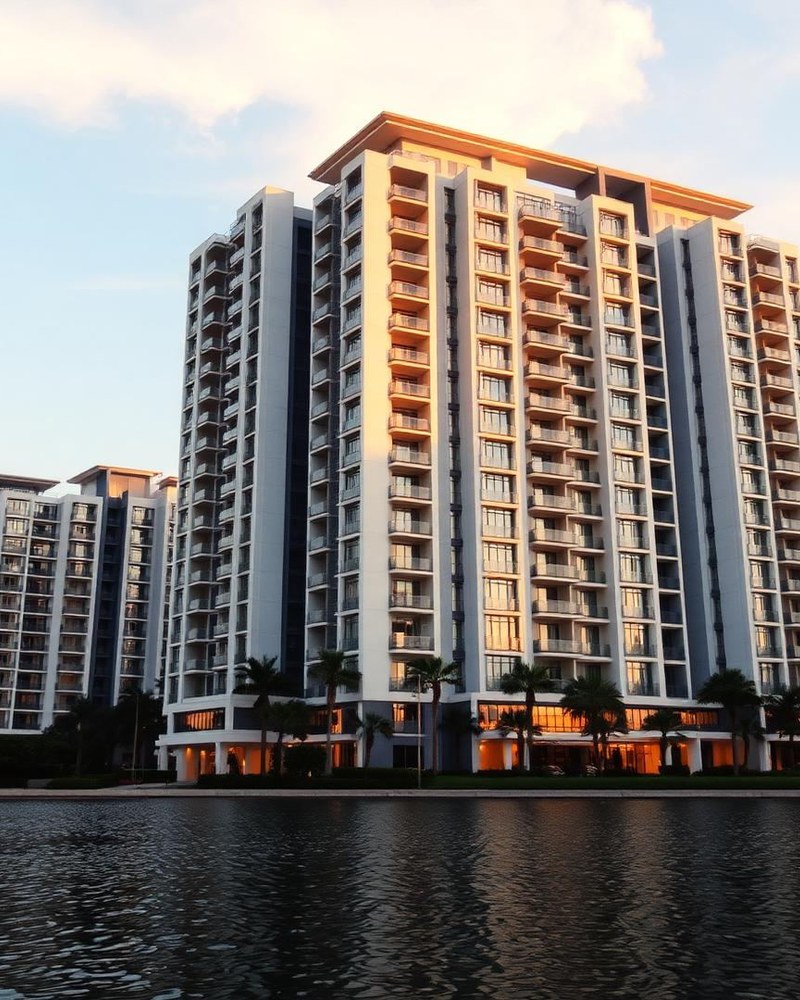
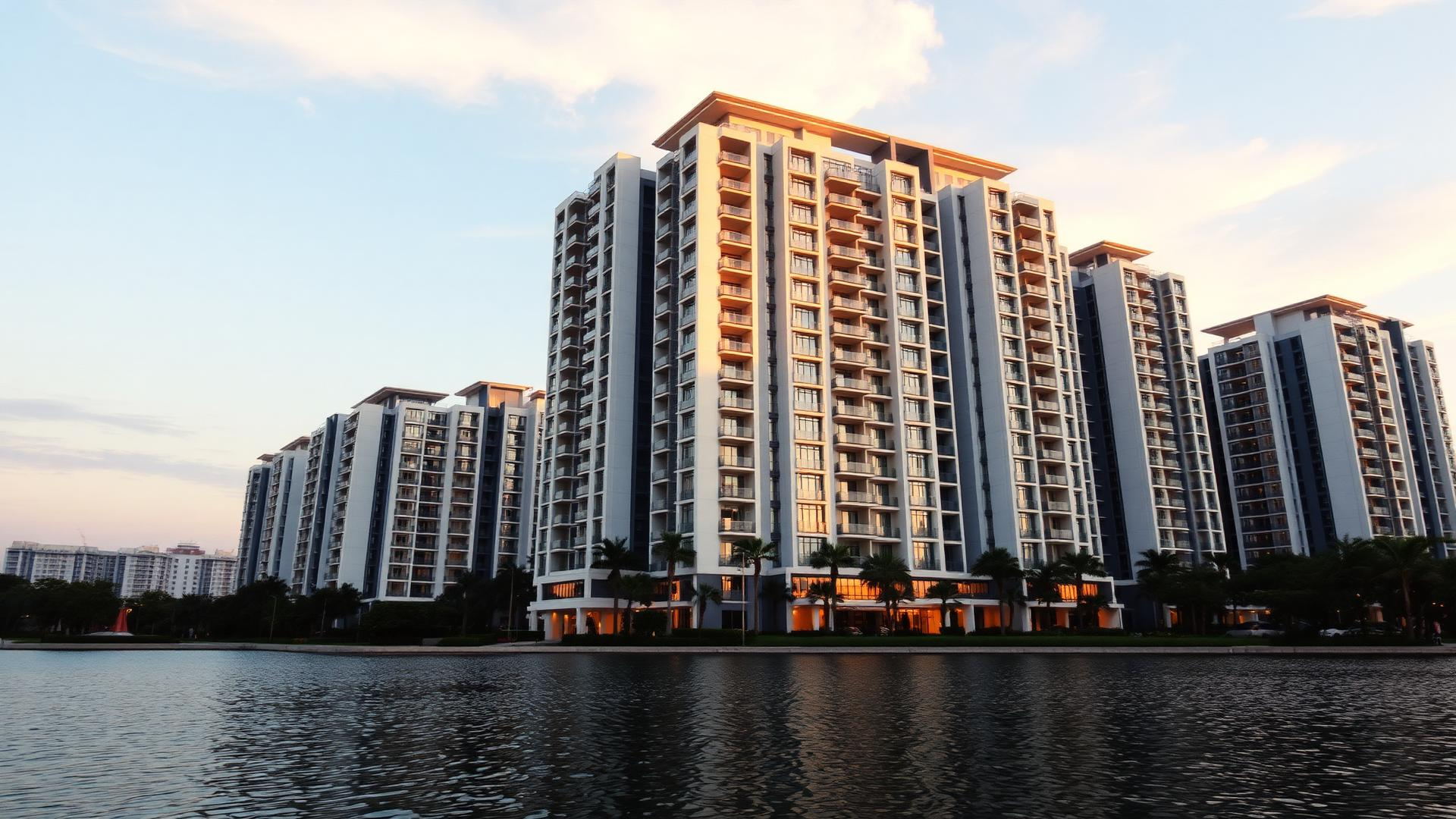


Beverly Hills Gated Architectural Villa with Infinity Pool
Beverly Hills · Los Angeles · United States
5 beds · 6 baths · 6,800 sq ft
$7.20M
Approx. ₹63.36 Cr
Country hub
01
Verified market · +1
Luxury residences, freehold townhouses, waterfront condominiums and commercial developments across New York, California, Florida, and Texas.
56 states, one desk
02
Real estate law and paperwork in the United States is set state by state, not federally — a county recorder's chain-of-title search in New York looks nothing like one in Texas, and California, Florida, and Washington each carry their own disclosure and closing conventions on top. Estate Ulagam's checklist follows that same structure: which records our desk asks for changes from state to state, not just from country to country.
438 cities across 56 states / territories
Listed cities first — search reaches the rest.
Under federal law, foreign nationals can purchase residential and commercial real estate without citizenship requirements. However, foreign agricultural holdings are monitored under the Agricultural Foreign Investment Disclosure Act (AFIDA). Non-resident sellers are subject to FIRPTA (Foreign Investment in Real Property Tax Act) withholding of 15% on gross disposition proceeds. State-level restrictions apply (e.g., Florida SB 264 restricting certain foreign acquisitions near military installations and critical infrastructure; Texas and other states regulating agricultural tracts).
Governing Body
U.S. Department of Housing and Urban Development (HUD) & State Licensing Boards
Primary Statute
Fair Housing Act (42 U.S.C. 3601) & FTC Truth in Advertising Rules
Title Instruments
General Warranty Deed / Grant Deed (Recorded in County Registry), Title Commitment & ALTA Owner's Title Insurance Policy
The desk
03
Every United States submission is checked against the same working set of records before it can be reviewed for publication, governed by Uniform Commercial Code & State Real Estate Licensing Commission Rules. None of this is a substitute for independent legal advice — it is the paperwork our desk asks an advertiser to produce, and cross-checks before an advertisement goes live.
County Recorder of Deeds chain-of-title & parcel identification validation.
Property tax assessment, municipal clear-lien, and HOA status check.
Seller identity matching via government ID & registered grant deed.
Standardized statutory closing disclosure and broker license verification.
Estate Ulagam reviews submitted advertising materials and documents before publication.
From submission to publication
04
01
Owner, agent, or builder registers with phone and email OTP, then submits the property with photographs and the documents above.
02
Estate Ulagam's desk checks identity and the documents above against Uniform Commercial Code & State Real Estate Licensing Commission Rules before anything moves forward.
03
Where a document is missing or unclear, the advertiser is notified and the submission stays in review — not published — until resolved.
04
Once documents are reviewed and payment for the advertising package is confirmed, an Estate Ulagam admin approves publication.
05 · Reviewed inventory
Beverly Hills · Los Angeles · United States
5 beds · 6 baths · 6,800 sq ft
$7.20M
Approx. ₹63.36 Cr


Manhattan · New York City · United States
3 beds · 4 baths · 3,450 sq ft
$4.85M
Approx. ₹42.68 Cr
Payment confirms the advertising package. Review and admin approval decide publication — never a self-publish.